
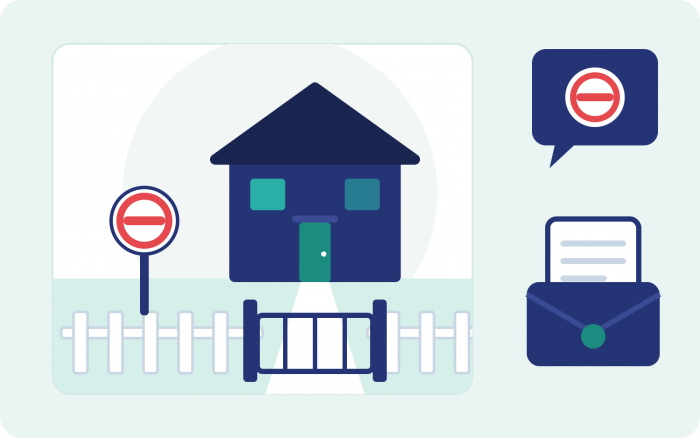
A narrated CPD presentation for member firms and their process servers on serving at private dwellings where the occupier has said “keep out”: when to proceed, when to withdraw, when to escalate, and how to record it. It is based on the ABI’s Service at Revoked or Restricted Addresses Guidance and works through seven parts:
The legal position: the implied licence to walk up the path and how an occupier revokes it, in person or by signage. It sets out the three levels of legal risk (civil trespass, aggravated trespass and harassment) and explains that trespass does not of itself invalidate otherwise compliant service.
Core principles: seven principles that apply at every address, including respecting property rights, staying safe, minimising intrusion, staying calm and courteous, recording everything and escalating, not improvising.
Before you attend: the pre-attendance check, with five indicators to look for on the file, and “brief first, attend second”.
On arrival: six things to note before crossing the boundary (boundary, signage, cameras, presence, vulnerability and route).
The decision matrix: reading the wording sign by sign. “No cold callers” means proceed; “no trespassers” or “private property” means proceed with care, once; signs naming process servers, a previous “don’t come back” or a locked boundary mean do not enter.
Withdraw, refer and indemnity: going back to the client in writing, the alternative methods of service to raise with them, proceeding only on written instruction and indemnity, and what that confirmation does not authorise.
Repeat attendance and harassment: why repetition changes the risk under the Protection from Harassment Act 1997, and the caps on further attendance.
Animated doorstep scenarios illustrate the points throughout. The session closes with what goes in the report, ten pitfalls, a three-scenario knowledge check, ten rules to take away and a list of the legislation, rules and guidance cited.